 AI
AIPractical attacks on corporate AI agents
We analyze the first-ever real-world incidents where attackers targeted AI agents deployed in corporate environments.
102 articles
We analyze the first-ever real-world incidents where attackers targeted AI agents deployed in corporate environments.

Researchers have shown that a single text message can trick Gemini into opening the windows of your house or launching a Zoom call, or poisoning its own long-term memory. How do you protect yourself against these attacks?
Meta’s new Muse Image AI, launched in early July, was briefly training its image generator on user-published Instagram posts. However, following user uproar, Meta killed the feature less than a week later. Here’s the breakdown on Meta’s latest generative AI push — and why you shouldn’t let your guard down just yet.

Before launching a phishing attack, attackers initiate correspondence with the victim.
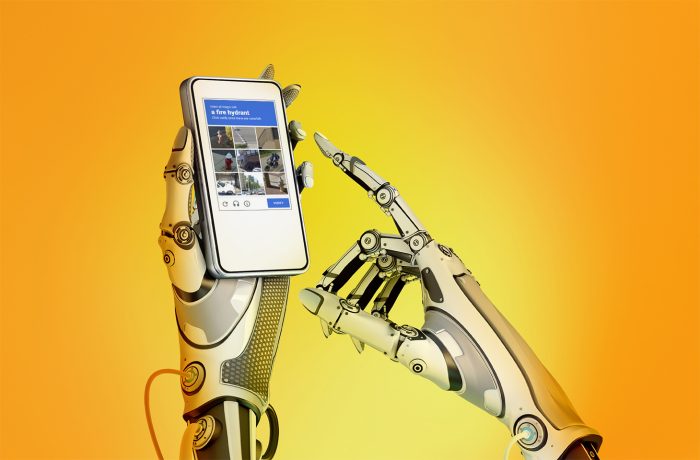
For over a decade, internet users have had to squint at blurry fire hydrants, bridges, and bicycles — until AI came along. What’s next for the CAPTCHA?

An inside look at the inner workings and hidden pitfalls of platforms offering dirt-cheap access to top-tier AI models.

We break down the core challenges and potential solutions for building a fully autonomous security operations center.

How to detect and block unauthorized AI tools in an organization.

A guide to detecting and blocking built-in AI features in popular software products.

Kaspersky experts have found that a single fraudulent message in a messaging app leads to an average loss of $733. We break down new AI-powered messaging scam schemes, provide platform-specific statistics, and offer tips on how to protect yourself from digital fraudsters.

High-level strategies for locking down popular AI tools that are either unneeded or outright banned under corporate policy.

Attempts at hijacking AI resources are now taking place on an industrial scale. How is AI infrastructure being targeted, and what defensive measures should you implement?

Building a functional app without programming skills is now a possibility, but maintaining it and ensuring cybersecurity remains a challenge. Here are several protective measures that even non-technical creators can implement.

We’re diving into how the Be My Eyes app helps blind and low-vision users, checking if it’s actually effective at spotting cyberthreats, and sharing essential safety tips for the visually impaired community.

How to manage vulnerabilities when developing or using open-source software.

How the AI boom and increasing reliance on open-source components are piling up corporate security debt — and what you can actually do about it.
Researcher Niels Provos’ prototype IronCurtain architecture: a system designed to restrict the actions of AI agents through isolation and security policies.

Cybercriminals are now deploying web applications generated by Bubble, an AI-powered app builder, to hunt for corporate credentials.

We break down how AI assistant hallucinations can turn lethal, and explain the fundamental principles you need to follow to avoid becoming an accidental casualty of progress.

Threat actors are promoting pages containing malicious instructions for installing AI agents intended for workflow automation.
Tired of hallucinations in AI overviews, and have no clue as to why or how Copilot suddenly appeared on your PC? Here’s a guide to switching off those intrusive AI features in popular services.
 privacy
 phishing
 Captcha
 messengers